The story of Sister Leny
Each year, through Canossian international volunteering, young people – and not only the young – who wish to place themselves at the service of others are formed and sent to Canossian missions in some of the most fragile and challenging contexts of the world. Today, through the testimony of Sister Leny, we are invited to journey virtually to Malawi and to encounter stories that quietly transform lives.
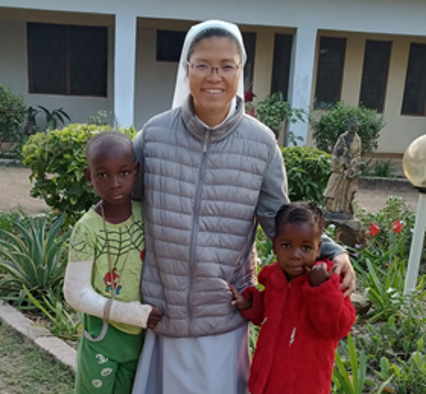
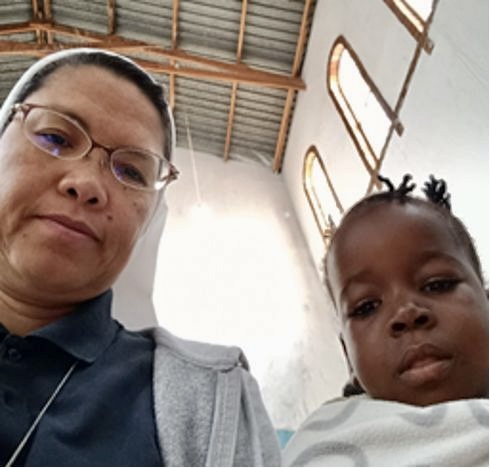
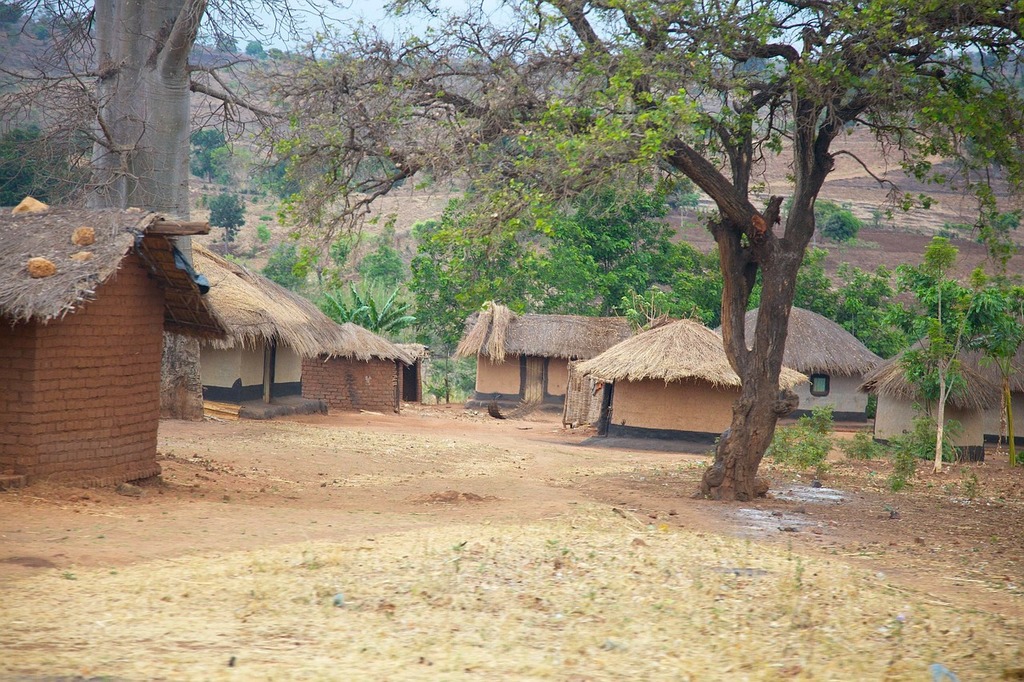
In the village of Nsanama, Malawi, within the church of Saint Martin, one such story began to unfold. During the early morning Mass at six o’clock, Sister Leny’s attention was drawn to a five-year-old child, deeply immersed in silent and intense prayer. Kneeling, absorbed, she appeared to be speaking with Jesus as one friend speaks to another. No one asked her to do so. No one guided her. Her name is Monila.
What makes this scene all the more striking is that Monila comes from a Muslim family. Yet each morning, with her father’s permission and accompanied by her mother, she enters the church and takes part in the celebration, remaining afterwards on her own, free to pray. Her older brother, Fahadi, often says to her with disarming simplicity: “You go to your God; I will stay with mine.” Monila is never discouraged. With a faith remarkable for her age, she continues her journey.
Her story, however, is also marked by suffering. A fire broke out in her home, and Monila sustained serious burns, including second-degree burns to her body. She was welcomed by the Canossian Sisters and cared for in a hospital run by them, where she remained for several months. Upon returning home, the Sisters continued to tend her wounds. In that experience of closeness, care and tenderness, Monila encountered not only medical treatment, but a love that speaks of God. It was there that she learned to know Jesus and to turn to Him in prayer.
Her older brother Fahadi, too, became part of this journey in a quiet and unexpected way. He helped as he could during a volunteer project: carrying materials, holding brushes while the hospital windows were being painted. These simple, shared moments forged a bond of trust and friendship. One day, while playing, Fahadi broke his arm. The Sisters and volunteers immediately took him to hospital and accompanied him throughout the long recovery. He was never left alone: visits, small gifts, drawing materials, and the possibility of continuing to feel part of the activities sustained him during that time.
It was then that something began to change. Without anyone asking him to do so, Fahadi started accompanying Monila to Mass. A free gesture, born of an experience of welcome and belonging. No imposed words, no pressure: only lived experience and love received, speaking directly to the heart.
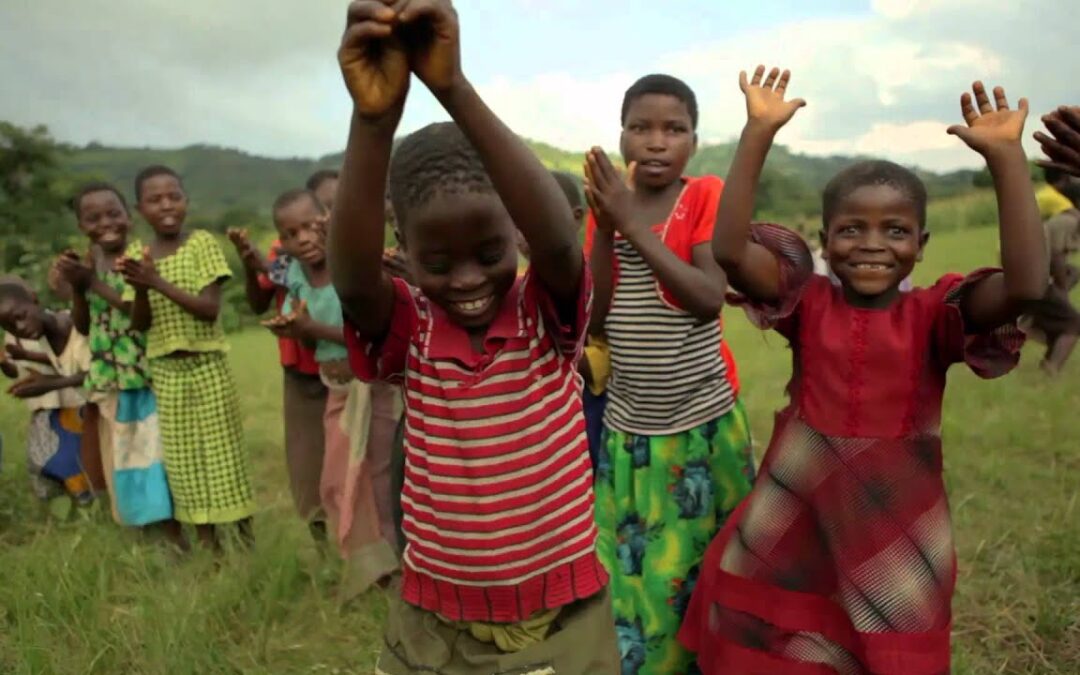
This is the experience of Canossian volunteering, VOICA: a gift that is offered and, at the same time, a gift that is received. A form of charity that goes beyond differences of religion, culture, origin and language. A charity that builds fraternity, unity and communion, making tangible the vision of a more humane world.
Volunteering is not limited to social commitment alone; it also touches the spiritual dimension of life. It is the sharing of the Gospel through presence, listening and nearness. Saint Magdalene of Canossa reminded us that “there is no act of charity towards one’s neighbour more perfect than helping them to love God.” It is this evangelical style that continues to inspire the journey of VOICA.
From this spirit emerges the theme of volunteering for the coming year: “You are the gift.” On 6 December, the first meeting took place with young people interested in taking part in the mission of summer 2026. It was a moment of listening, sharing and discernment, which left participants with a sense of wonder, joy, gratitude and a renewed desire for mission and service.
As Sister Elizabeth, a member of the VOICA team, shared, once again it became clear that the gift is not ours, but God’s. We are asked only to offer what we receive from Him, with trust, allowing Him to bring His work to fulfilment.
Every small act of volunteering generates an impact: immediate or destined to germinate over time. What we offer is our time, our presence, our very selves, moved by compassion and empathy. It is in this way that authentic charity is built – a charity capable of making a difference in people’s lives and of rendering the world a little more fraternal.