


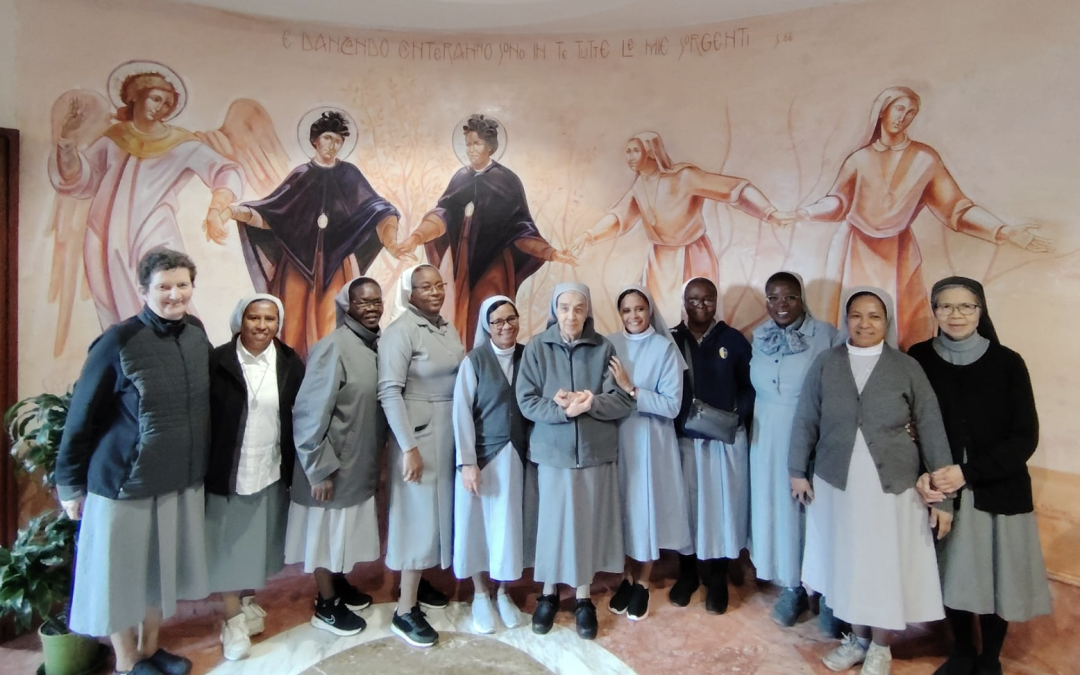
“𝙏𝙝𝙚 𝙤𝙣𝙡𝙮 𝙘𝙤𝙣𝙨𝙤𝙡𝙖𝙩𝙞𝙤𝙣 𝙡𝙞𝙚𝙨 𝙞𝙣 𝙩𝙝𝙚 𝙞𝙣𝙛𝙞𝙣𝙞𝙩𝙚 𝙢𝙚𝙧𝙘𝙮 𝙤𝙛 𝙂𝙤𝙙, 𝙞𝙣 𝙬𝙝𝙤𝙨𝙚 𝙖𝙧𝙢𝙨 𝙄 𝙛𝙪𝙡𝙡𝙮 𝙖𝙗𝙖𝙣𝙙𝙤𝙣 𝙢𝙮𝙨𝙚𝙡𝙛.”
There are seasons in life when the Church celebrates joy, yet the heart struggles to follow. We know the prayers, we proclaim the Resurrection, and we accompany others in faith — yet within us, consolation seems distant.
This became real for me during our community adoration on Easter Sunday. When asked how I was experiencing the Risen Lord, I found myself at a loss for words. I could not answer. While the Church proclaimed Easter, my interior world felt unchanged. Only later did I understand: it was 𝗘𝗮𝘀𝘁𝗲𝗿 𝗦𝘂𝗻𝗱𝗮𝘆, but my soul was still living in 𝗚𝗼𝗼𝗱 𝗙𝗿𝗶𝗱𝗮𝘆.
Many of us know this silent tension. Outwardly, we continue the mission faithfully. Inwardly, we may carry fatigue, unanswered questions, or an unexplained spiritual dryness. Holy Week had been filled with ministry, responsibilities, and community concerns. I had hoped that intense participation in the sacred celebrations would draw me closer to God. Instead, I experienced distance — a quiet desolation that surprised and unsettled me.
God’s mercy revealed itself the following day during a community spiritual conversation. In that sacred space of listening and shared vulnerability, I finally found the courage to name what was happening within me: exhaustion — physical, emotional, and mental. Speaking aloud the dryness of my soul became an unexpected moment of grace.
There, I discovered that God’s mercy does not always come through spiritual fervor or emotional consolation. Sometimes mercy appears through communion — through sisters and friends who listen without judgment, through a community that allows weakness to be spoken, and through the humble acceptance of one’s own limits.
For many of us, we unconsciously expect consolation to accompany generous service. Yet experience teaches otherwise. Fidelity does not always produce immediate spiritual sweetness. At times, we serve faithfully while feeling empty. Prayer becomes quiet. The Risen Lord seems hidden.
It is precisely here that the words of St. Magdalene of Canossa take on new depth. She reminds us that 𝙩𝙝𝙚 𝙤𝙣𝙡𝙮 𝙘𝙤𝙣𝙨𝙤𝙡𝙖𝙩𝙞𝙤𝙣 𝙡𝙞𝙚𝙨 𝙞𝙣 𝙩𝙝𝙚 𝙞𝙣𝙛𝙞𝙣𝙞𝙩𝙚 𝙢𝙚𝙧𝙘𝙮 𝙤𝙛 𝙂𝙤𝙙. Consolation is not found in successful ministry, emotional enthusiasm, or inner clarity. It is found in mercy — a mercy that embraces us even when we feel spiritually poor.
The question of abandonment to God remains challenging. Abandonment is not passive resignation nor spiritual perfection. It is a daily, often fragile act of trust. It may mean remaining in prayer without feeling God’s presence, continuing the mission despite fatigue, or allowing oneself to be carried by God when personal strength is insufficient.
Perhaps abandonment, is learning to stay in God’s arms even when we cannot perceive His embrace. It is believing that God is at work even when our hearts have not yet reached Easter morning.
In this light, consolation is transformed. It is no longer the absence of struggle but the quiet certainty of being held by Infinite Mercy.
To the young and the not-so-young who remain faithful even in unseen dryness, and to every person who wonders why consolation seems delayed: our experience is not a failure of vocation. Sometimes, God allows us to remain awhile in Good Friday so that our hope may rest not on feelings but on His faithful love.
𝘍𝘰𝘳 𝘪𝘯 𝘵𝘩𝘦 𝘦𝘯𝘥, 𝘰𝘶𝘳 𝘥𝘦𝘦𝘱𝘦𝘴𝘵 𝘤𝘰𝘯𝘴𝘰𝘭𝘢𝘵𝘪𝘰𝘯 𝘪𝘴 𝘯𝘰𝘵 𝘸𝘩𝘢𝘵 𝘸𝘦 𝘧𝘦𝘦𝘭, 𝘣𝘶𝘵 𝘞𝘩𝘰 𝘩𝘰𝘭𝘥𝘴 𝘶𝘴.
Like St. Magdalene, we are invited to surrender anew:
𝗟𝗼𝗿𝗱, 𝘁𝗲𝗮𝗰𝗵 𝘂𝘀 𝘁𝗼 𝗿𝗲𝘀𝘁 𝗶𝗻 𝗬𝗼𝘂𝗿 𝗺𝗲𝗿𝗰𝘆.
𝗪𝗵𝗲𝗻 𝗰𝗼𝗻𝘀𝗼𝗹𝗮𝘁𝗶𝗼𝗻 𝗶𝘀 𝗮𝗯𝘀𝗲𝗻𝘁, 𝗵𝗲𝗹𝗽 𝘂𝘀 𝘁𝗼 𝘁𝗿𝘂𝘀𝘁 𝘁𝗵𝗮𝘁 𝘄𝗲 𝗮𝗿𝗲 𝘀𝘁𝗶𝗹𝗹 𝗵𝗲𝗹𝗱 𝗶𝗻 𝗬𝗼𝘂𝗿 𝗮𝗿𝗺𝘀.
𝗪𝗵𝗲𝗻 𝗼𝘂𝗿 𝗵𝗲𝗮𝗿𝘁𝘀 𝗿𝗲𝗺𝗮𝗶𝗻 𝗶𝗻 𝗚𝗼𝗼𝗱 𝗙𝗿𝗶𝗱𝗮𝘆, 𝗹𝗲𝗮𝗱 𝘂𝘀 𝗴𝗲𝗻𝘁𝗹𝘆 𝘁𝗼𝘄𝗮𝗿𝗱 𝘁𝗵𝗲 𝗹𝗶𝗴𝗵𝘁 𝗼𝗳 𝗘𝗮𝘀𝘁𝗲𝗿.